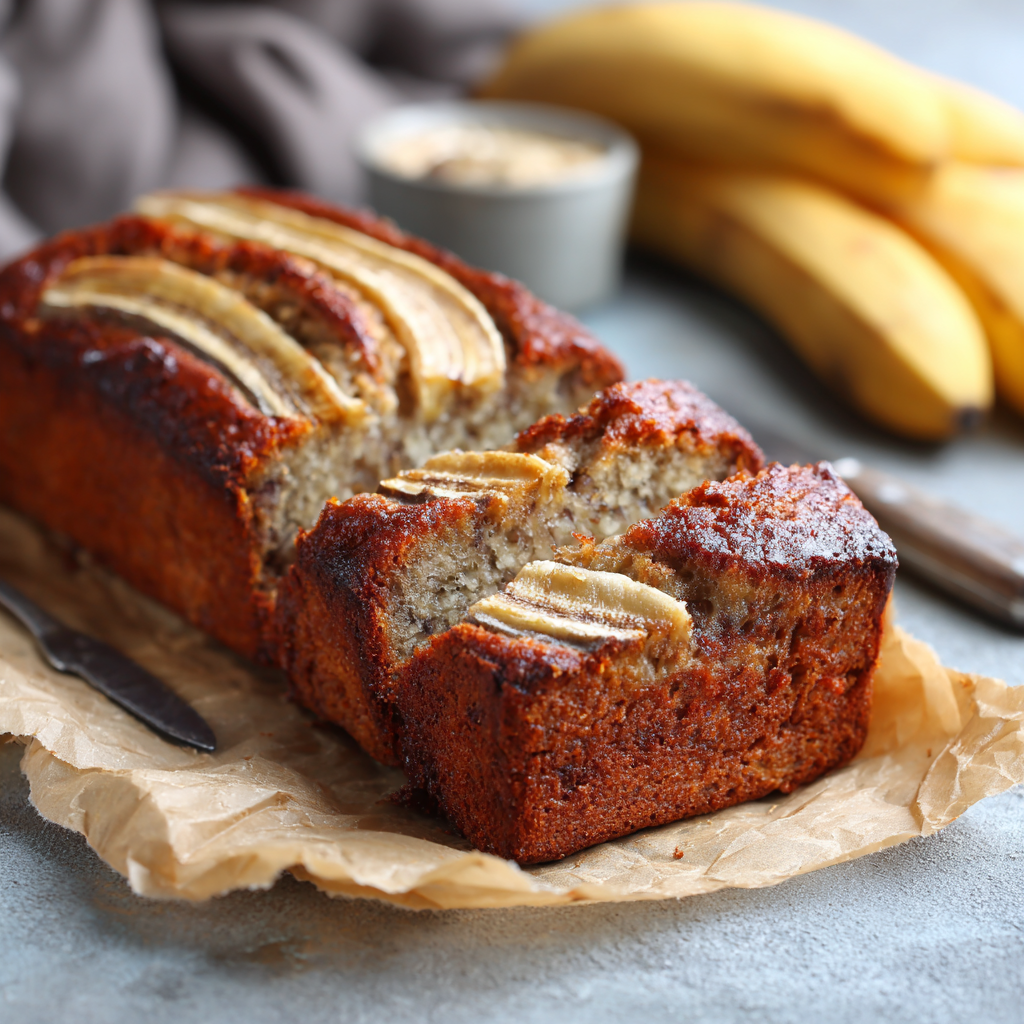
Moist Lemon Olive Oil Cake Recipe

There is a quiet sophistication to a well-made olive oil cake. It doesn’t rely on heavy frosting or elaborate decoration—just impeccable texture, balanced sweetness, and vibrant citrus. This Moist Lemon Olive Oil Cake delivers a tender crumb, fragrant lemon aroma, and a delicate richness from quality extra virgin olive oil. It’s the kind of cake professional pastry chefs return to again and again: refined, versatile, and deeply satisfying.
Ingredients List
- 1 ¾ cups (220 g) all-purpose flour
- 1 teaspoon baking powder
- ½ teaspoon baking soda
- ½ teaspoon fine sea salt
- 1 cup (200 g) granulated sugar
- Zest of 2 fresh lemons
- 3 large eggs, room temperature
- ¾ cup (180 ml) high-quality extra virgin olive oil
- ½ cup (120 ml) whole milk or Greek yogurt
- ¼ cup (60 ml) freshly squeezed lemon juice
- 1 teaspoon pure vanilla extract
- Powdered sugar, for dusting (optional)
Step-by-Step Instructions

Step 1: Prepare the Pan and Oven
Preheat oven to 175°C (350°F). Lightly grease and line an 8-inch round cake pan with parchment paper to ensure clean release.
Step 2: Infuse the Sugar
In a mixing bowl, combine granulated sugar and lemon zest. Rub them together with your fingertips until fragrant. This technique releases essential oils, intensifying citrus flavor.
Step 3: Build the Emulsion
Whisk eggs into the lemon sugar until pale and slightly thickened. Slowly stream in the olive oil while whisking continuously to create a stable emulsion,this guarantees a moist, cohesive crumb.
Step 4: Incorporate Liquids
Whisk in milk (or Greek yogurt), fresh lemon juice, and vanilla extract until smooth.
Step 5: Combine Dry Ingredients
In a separate bowl, sift together flour, baking powder, baking soda, and salt. Gradually fold the dry mixture into the wet ingredients using a spatula. Mix just until combined; avoid overworking the batter.
Step 6: Bake with Precision
Pour batter into the prepared pan and smooth the surface. Bake for 40–45 minutes, or until a toothpick inserted in the center comes out clean and the top is lightly golden.
Step 7: Cool Properly
Allow the cake to cool in the pan for 10 minutes before transferring to a wire rack. Let cool completely before dusting with powdered sugar or glazing.
Cook Time
- Prep Time: 15 minutes
- Bake Time: 40–45 minutes
- Total Time: Approximately 1 hour
Servings
Serves 8 slices.
Nutritional Information (approx. per serving)
- Calories: ~320 kcal
- Fat: 18 g
- Carbohydrates: 36 g
- Sugar: 20 g
- Protein: 5 g
- Sodium: 180 mg
(Values may vary depending on specific ingredients used.)
Storage Instructions
Store at room temperature in an airtight container for up to 2 days.
Refrigerate for up to 5 days, bringing to room temperature before serving for best texture.
This cake also freezes well for up to 2 months when tightly wrapped.
Suggestions
- Serve with lightly sweetened whipped cream and fresh berries.
- Add a simple lemon glaze made from powdered sugar and lemon juice for extra brightness.
- Pair with espresso or Earl Grey tea for an elegant afternoon dessert.
- For a Mediterranean twist, add 1 teaspoon of finely chopped fresh rosemary to the batter.
Seasonal Relevance
This cake shines in spring and summer when citrus is vibrant and aromatic. However, its comforting crumb and bright acidity make it equally welcome during winter months when you crave a touch of sunshine on the table.
Conclusion
Moist Lemon Olive Oil Cake is a testament to the beauty of restraint in pastry. With careful emulsification, quality olive oil, and fresh lemon zest, you achieve depth without heaviness and brightness without sharpness. It is a cake that feels both rustic and refined,proof that simple ingredients, treated with precision, can produce extraordinary results.

Moist Lemon Olive Oil Cake Recipe
8
servings15
minutes45
minutes320
kcal1
hourA tender, fragrant cake made with high-quality olive oil and fresh lemon zest, delivering a moist crumb and bright citrus flavor. Elegant yet simple, this cake is perfect for any occasion—from afternoon tea to festive gatherings.
Ingredients
1 ¾ cups (220 g) all-purpose flour
1 teaspoon baking powder
½ teaspoon baking soda
½ teaspoon fine sea salt
1 cup (200 g) granulated sugar
Zest of 2 fresh lemons
3 large eggs, room temperature
¾ cup (180 ml) extra virgin olive oil
½ cup (120 ml) whole milk or Greek yogurt
¼ cup (60 ml) freshly squeezed lemon juice
1 teaspoon pure vanilla extract
Powdered sugar, for dusting (optional)
Directions
- Preheat oven to 175°C (350°F). Grease and line an 8-inch round cake pan with parchment paper.
- Combine granulated sugar and lemon zest, rubbing together to release oils.
- Whisk eggs into the lemon sugar until pale and slightly thickened. Gradually add olive oil while whisking to create an emulsion.
- Mix in milk (or yogurt), lemon juice, and vanilla extract until smooth.
- Sift flour, baking powder, baking soda, and salt; fold gently into the wet mixture until just combined.
- Pour batter into the prepared pan and smooth the top. Bake 40–45 minutes until a toothpick comes out clean.
- Cool in the pan for 10 minutes, then transfer to a wire rack. Dust with powdered sugar before serving.
Recipe Video
Notes
- Use fresh lemon zest and juice for the brightest flavor.
- Avoid overmixing after adding flour to maintain a tender crumb.
- Store at room temperature up to 2 days or refrigerate up to 5 days.
- This cake can be frozen for up to 2 months when tightly wrapped.
FAQs
1. Can I use a different citrus instead of lemon?
Yes. Orange or blood orange work beautifully. Replace both zest and juice in equal quantities for a different citrus profile.
2. Why is olive oil used instead of butter?
Olive oil provides superior moisture retention and a tender crumb, while contributing subtle fruity notes that complement citrus.
3. How do I prevent the cake from becoming dense?
Avoid overmixing once flour is added, and ensure your baking powder and baking soda are fresh. Proper emulsification at the beginning also plays a key role.